

Banko kyusu je japonská čajová konvice vyrobená z husté hlíny bohaté na železo, která se vypaluje v redukční atmosféře, což jí dává během vaření charakteristickou strukturu a chování. Na rozdíl od glazovaných čajových konvic umožňuje její neglazovaný vnitřek přímou interakci mezi hlínou, vodou a čajovými lístky.
Tato interakce může ovlivnit chuť čaje, zejména to, jak zvládá trpkost a zdůrazňuje určité chuťové vlastnosti během extrakce.
Banko keramika pochází z Yokkaichi v prefektuře Mie , kde hrnčíři s touto hliněnou tradicí pracují po staletí a vyvíjejí techniky, které kladou důraz na tenké stěny, citlivost na teplo a přesné lití.
Ve srovnání s jinými styly kyusu , zejména Tokoname , je hlína Banko hustší a méně porézní, což ovlivňuje její zrání a chování u různých druhů čaje.
Tento článek vysvětluje, co dělá Banko kyusu jedinečným, jak jíl ovlivňuje vaření a které čaje z tohoto typu konvice nejvíce těží.
Banko Kyusu : Hliněná konvice vypálená redukční metodou z prefektury Mie
Banko kyusu je japonská čajová konvice s boční rukojetí vyrobená z redukční pálené hlíny v prefektuře Mie , známá svou hustou strukturou a výrazným minerálním složením.
Tradice sahá až do éry Genbun v polovině období Edo, kdy obchodník jménem Nunami Rozan postavil v Asahi pec a začal vyrábět keramiku ovlivněnou čínskými a korejskými formami. Název Banko pochází z fráze banko fueki, což znamená „neměnný ve všech věcích“, což je razítko, které Rozan používal k označení svých výrobků.
Hlína, která definuje Banko Ware
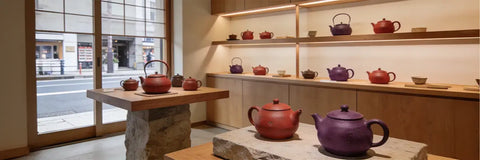
Banko yaki kyusu je nejvíce spojován s jílem zvaným šidei neboli fialový jíl. Jeho charakteristická barva pochází ze způsobu, jakým železo v jílu reaguje na podmínky v peci během výpalu. Atmosféra pece je omezená kyslíkem, což zbarvuje železné částice do modra. Když je konvice po výpalu vystavena vzduchu, povrch mírně oxiduje a kombinace modré a červené vytváří charakteristickou tlumenou fialovou barvu.
Nejedná se o glazura ani povlak. Barva prostupuje samotnou hlínou, což je charakteristika sdílená i s jinými hliněnými konvicemi bohatými na železo v japonské tradici, jako je například červená japonská hliněná konvice , která svého teplého tónu dosahuje podobným procesem oxidace železa.
Banko yaki se nachází vedle Tokoname v prefektuře Aichi jako jedna z tradic Jhieves (its warm ouhieves its warm). Tyto dvě tradice se často srovnávají a pro podrobný rozbor toho, jak se liší ve vaření piva, náš průvodce Tokoname kyushieves its warm pokrývá klíčové rozdíly, ale na úrovni jílu se rozdíl omezuje na minerální složení a pórovitost.
Jíl Tokoname má vysoký obsah železa a je relativně porézní, což znamená, že časem ztvrdne, jak se čajové oleje vstřebávají do stěn. Jíl Banko shidei je hustší a má jinou minerální strukturu, která vytváří tenčí a lehčí stěny při stejné strukturální pevnosti.
Výsledkem je, že kyusuhi si uchovává teplo, rychleji se zahřívá a v ruce se cítí podstatně lehčí než ekvivalentní kousek Tokoname .
Jak hlína Banko ovlivňuje vaření piva a chuť

Neglazovaný vnitřek umožňuje, aby voda během louhování přicházela do přímého kontaktu s hlínou, což je charakteristickým rysem všech hliněných čajové konvice kyusu , ačkoli to, jak tento kontakt ovlivňuje chuť, významně závisí na minerálním složení hlíny. Tento kontakt není dekorativní; má znatelný vliv na chuť čaje. Banko i Tokonam používají teplo, aby snížily vnímanou trpkost a hořkost japonských zelených čajů a zjemnily celkový charakter šálku.
Vliv minerálů na trpkost
Železo obsažené v hlíně Banko interaguje s taniny v čaji během louhování. Taniny jsou zodpovědné za ostrý, vysušující pocit na patře, který může způsobit, že zelený čaj bude působit drsně, pokud se louhuje při nesprávné teplotě nebo příliš dlouho.
Když horká voda stojí v neglazované konvici Banko , hlína může reagovat s tříslovinami, což vyhlazuje drsnější hrany, aniž by konvici narušilo její teplý účinek. Účinek je nenápadný a závisí na kvalitě hlíny a na tom, jak dlouho se konvice používá.
Banko Kyusu a rozvoj Umami
Mezi praktiky, kteří pracují s neglazovanými japonskými čajovými konvicemi, je banko kyusu obzvláště často spojován se zvýrazněním umami u vysoce kvalitních zelených čajů.
Umami v čaji pochází především z L -theaninu a dalších aminokyselin koncentrovaných ve stinných nebo mladě sklizených listech. Hustý jíl Banko pravděpodobně umožňuje těmto chuťovým sloučeninám jasněji se projevit tím, že snižuje konkurenční ostrost katechinů.
U čajů jako gyokuro nebo vysoce kvalitní sencha , kde je umami určující charakteristikou, se jedná o uváženou volbu, nikoli o libovolnou.
Co odlišuje Banko Kyusu od ostatních stylů Kyusu
Pochopení této konvice vyžaduje její oddělení od širší kategorie japonských konvic . Kyusu je obecný japonský termín pro jakoukoli konvici a styl se značně liší od ushirode kyusu se zadní rukojetí až po formát Banko s bočním uchycením, o kterém se zde hovoří, ale ve všech případech materiál určuje, jak se bude chovat.
Tloušťka stěny a tepelné chování
Jedním z nejpraktičtějších rozdílů v konvicích Banko je tloušťka stěny. Hlína šidei se dá zpracovávat tenčí než většina ostatních druhů jílů, aniž by byla ohrožena strukturální integrita, a proto se konvice Banko konzistentně zdají lehčí než ekvivalenty Tokoname stejného objemu.
Tenčí stěny znamenají, že se konvice rychleji zahřeje, když do ní nalijete horkou vodu, ale také rychleji ztrácí teplo, protože teplé japonské zelené čaje louhované při teplotě 65 až 80 stupňů Celsia s krátkou dobou louhování nebývá problém. U více po sobě jdoucích nálevů je vhodné to mít na paměti.
Design sítka
Většina banko kyusu používá sítko ve stylu debeso, což je klenutá keramická filtrační kulička zabudovaná do vnitřku konvice v místě, kde se výtok setkává s tělem. Tato konstrukce je umístěna dále od dna konvice, což pomáhá zabránit ucpávání filtru čajovými lístky při naklánění konvice pro nalévání.
Filtr debeso funguje dobře pro čaje z rolovaných lístků, jako je sencha a vyšší třídy, i když u silně napařeného fukamushi sencha dokáže propustit jemné částice, což je designový kontrast, který stojí za zmínku, pokud jej srovnáváte s plochým kyusu , který používá jinou geometrii filtru optimalizovanou pro čaje z jemných lístků. Některé hrnčířské firmy Banko vyrábějí filtry s jemnějšími otvory, které s fukamushi zacházejí čistěji.
Koření ve srovnání s Tokoname
Hlína Tokoname je pozoruhodně porézní, a proto se na ní v průběhu let používání vytváří viditelná patina, jak se čajové oleje vstřebávají do stěn. Hlína Banko shidei má méně porézní strukturu, což znamená, že konvice na čaj kyusu banko se neosoluje stejným způsobem ani stejnou rychlostí.
To není nevýhoda. Někteří milovníci čaje preferují neutrálnější přístup, čaj odráží spíše svou vlastní kvalitu než nashromážděnou historii konvice a stejný princip platí i pro jiné neglazované formáty, jako je černý kyusu , který také zabraňuje přenosu chuti mezi jednotlivými servírováními.
Čaje, které se dobře hodí k Banko Kyusu
Protože jíl jemně reaguje s tříslovinami a vyvolává umami, některé čaje z tohoto typu konvice prospívají více než jiné. Párování není předepisující, ale má svou logiku.
Gyokuro a High-Grade Sencha
Gyokuro je nejzřetelnější volbou. Listy gyokuro , které se před sklizní pěstují delší dobu ve stínu, jsou bohaté na aminokyseliny a louhují se při nízkých teplotách, obvykle 50 až 60 stupňů Celsia. Minerální vlastnosti jílu Banko při těchto teplotách dobře zmírňují zbytkovou trpkost, aniž by otupily hloubku čaje. Pokud s přípravou sypaného čaje teprve začínáte, správné dodržení základních postupů znatelně ovlivní vaši chuť. 👉 Jak připravit sypaný čaj
Vysoce kvalitní sencha , zejména odrůdy z první sklizně, má podobný aminokyselinový profil a dobře reaguje na stejné chemické složení jílu. Nio Teas nabízí řadu japonských sypaných čajů , včetně čajů sencha , které se dobře hodí do neglazovaných konvic.
Hojicha a pražené čaje
Banko konvice také doplňují hojicha a zdůrazňují její teplou chuť. Minerální vlastnosti jílu fungují u pražených čajů jinak než u zelených čajů; je třeba zvládat méně trpkosti, ale hustota Banko jílu podporuje plnější a teplejší tóny, které se hojicha rozvíjí při vyšších teplotách louhování.
Pokud plánujete používat stejnou konvici na zelený i pražený čaj, stojí za zvážení glazovaný vnitřek nebo druhá vyhrazená konvice. Hlína může v průběhu času přenášet chuťovou paměť mezi jednotlivými servírováními, zejména u silně pražených čajů.
Řemeslné zpracování a vlastnosti konvice na čaj Kyusu Banko

Jak vypadá práce Artisan Banko
Banko yaki má silnou tradici individuálních řemeslníků. Uznávaní hrnčíři jako Tachi Masaki byli japonskou vládou uznáni za tradiční řemeslné umělce za svou práci s fialovými hliněnými konvicemi a někteří z nich získali uznání jako nehmotná kulturní statky označená městem.
Ručně vyráběné čajové konvice Banko jsou často zdobeny ručně nanášenými povrchovými technikami, vzory jako tochiri a chigire, a pro ty, kteří oceňují tuto úroveň japonského keramického řemesla, nabízí sada Brown Shigaraki další vyjádření řemeslného japonského čajového nádobí, které stojí za prozkoumání.
Uchycení víka a výkon výlevky
Dva praktické detaily odlišují dobré kousky Banko od těch průměrných: uchycení víka a oříznutí výlevky. Dobře uchycené víko by mělo zůstat na místě, když se hrnec nakloní při nalévání, což vyžaduje přesné ruční leštění víka i okraje.
Hubička by měla čaj vést v čistém oblouku, který se po ukončení nalévání okamžitě zastaví. Kapající hubičky naznačují špatně tvarovanou hlínu nebo nerovnoměrnou tloušťku stěny na výstupu z hubičky. U vysoce kvalitních kusů Banko je nalévání rychlé a čisté bez zbytkového odkapávání.
Kdy má největší smysl vlastnit Banko Kyusu
banko kyusu není jediná konvice, kterou stojí za to vlastnit, ale své místo si zaslouží v určité situaci: když nejčastěji pijete čaje pěstované ve stínu nebo vysoce kvalitní japonské zelené čaje a chcete nádobu, která aktivně přispívá k šálku, spíše než aby stála stranou. Pokud jste připraveni začít hledat, sestavili jsme průvodce, který vám pomůže najít ten správný kousek. 👉 Kde koupit Čajová konvice kyusu : Průvodce nákupem pro zasvěcené osoby
Díky nižší hmotnosti a rychlejšímu ohřevu je tato konvice praktickou volbou pro každodenní použití pro ty, kteří vaří malé množství čaje a cení si rychlé odezvy na čaj. Pro každého, kdo se blíže seznámí s japonským čajovým vybavením , je lepší porozumět výběru kyusu a sypaných čajů Nio Teas protože se podívá na výběr čajů z řady kyusu a sypaných lístků.
Řemeslná tradice originálních konvic Banko znamená, že konvice, o kterou se správně pečuje, nejenže dobře funguje hned první den. Čím déle se používá, tím osobnějším předmětem se stává.

Komentáře (0)
U tohoto článku nejsou žádné komentáře. Zanechte komentář jako první!